
Mastering the Listing Agreement: Your Key to a Successful Home Sale
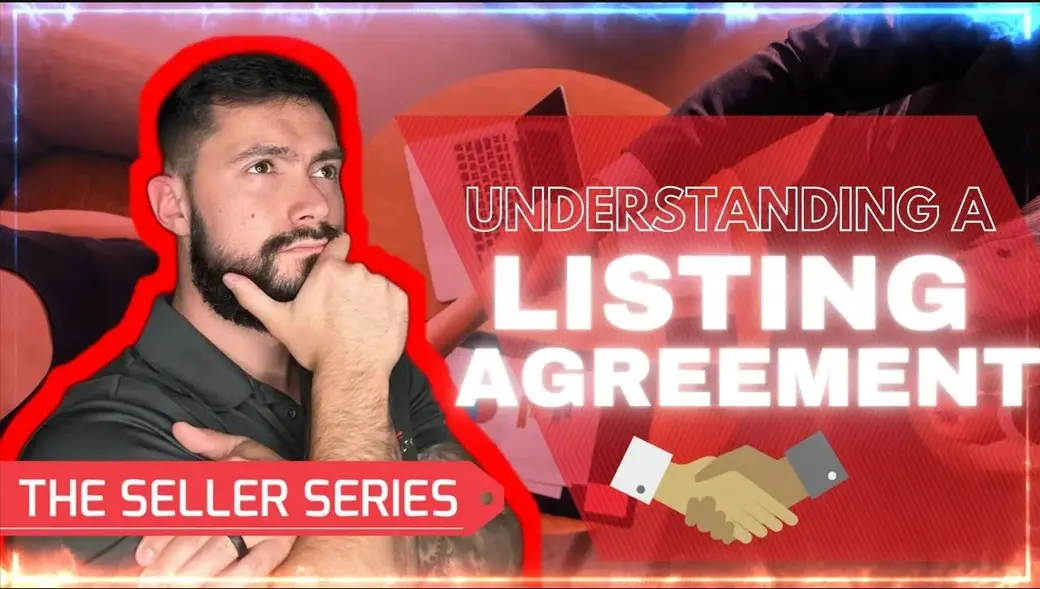
Mastering the Listing Agreement: Your Key to a Successful Home Sale
TL;DR — Signing a listing agreement with a real estate agent sets the terms, duration, and expectations for selling your home, including the agent’s duties, the commission split, and how the relationship will work; it covers your property details, the listing price and period, the marketing plan (MLS exposure, professional photography, video, drone footage, and digital marketing), the commission structure and any potential negotiation for the buyer’s agent, and the protected period and disclosures. It also outlines agency relationships (representing you as a client vs. a dual agency), required disclosures such as lead-based paint if applicable and the seller’s disclosure statement, and any special circumstances. Before signing, read the agreement carefully, ask questions, negotiate terms (length, marketing commitments, price), and consider using secure digital-signature platforms for record-keeping. Maintain open communication with your agent to ensure clarity, legal compliance, and a smooth, successful sale.
When it comes to selling your home, the listing agreement is a critical document that outlines the terms and conditions of your partnership with a real estate agent. In this comprehensive guide, we'll dive deep into the intricacies of the listing agreement, helping you understand its importance, key provisions, and how to navigate this crucial step in the home-selling process.
Understanding the Listing Agreement: The Foundation of Your Home Sale
The listing agreement is a legally binding contract between you, the homeowner, and the real estate agent or brokerage you've chosen to represent your property. This document establishes the parameters of your working relationship, including the agent's responsibilities, the commission structure, and the duration of the agreement.
As the seller, it's essential to thoroughly review and understand the listing agreement before signing. This document serves as the foundation for your home sale, and it's crucial to ensure that the terms align with your goals and expectations. By taking the time to carefully read and comprehend the agreement, you can avoid any misunderstandings or surprises down the line.
Key Components of the Listing Agreement
The listing agreement typically includes several critical components that you should be aware of. Let's dive into the most important sections:
Property Details
-
Address and legal description of the property
-
Parcel identification number
-
Deed book and page information
Listing Price and Duration
-
The agreed-upon list price for your home
-
The commencement date and end date of the listing agreement
-
The option for an "easy exit" agreement, which allows you to terminate the contract if the agent is not fulfilling their obligations
Marketing and Exposure
-
The agent's commitment to list your property on the Multiple Listing Service (MLS) and other relevant platforms
-
The specific marketing strategies and tactics the agent will employ to promote your home
-
The agent's use of professional photography, videography, and drone footage to showcase your property
Commission Structure
-
The total commission percentage, typically around 6%, split between the listing agent and the buyer's agent
-
The agent's willingness to negotiate the buyer's agent commission to incentivize more buyer activity
-
The protected period, which outlines the timeframe in which the agent is entitled to a commission if you sell the property independently after the agreement ends
Agency Relationships
-
The agent's commitment to representing you as a client, rather than a dual agency scenario where they also represent the buyer
-
The distinction between clients and customers, and how the agent will handle these different relationships
Disclosures and Acknowledgments
-
Lead-based paint disclosure, if your home was built before 1978
-
The seller's property disclosure statement, which outlines the condition of your home
-
Any special circumstances or considerations, such as bankruptcy, divorce, or a short sale
Navigating the Listing Agreement: Tips for Sellers
As a seller, it's crucial to approach the listing agreement with a keen eye and a thorough understanding of its implications. Here are some tips to help you navigate this process:
Read the Agreement Carefully
Take the time to read through the entire listing agreement, line by line. Don't be afraid to ask questions or seek clarification from your agent on any terms or provisions you don't fully understand. Remember, this is a legally binding contract, and it's essential that you're comfortable with its contents.
Understand the Commission Structure
The commission structure is a critical component of the listing agreement. Discuss the total commission percentage with your agent, as well as their willingness to negotiate the buyer's agent commission. This can help incentivize more buyer activity and potentially lead to a higher sale price for your home.
Negotiate the Terms
Don't be afraid to negotiate the terms of the listing agreement. If there are aspects you're not comfortable with, such as the length of the contract or the marketing plan, discuss these with your agent and try to reach a mutually agreeable compromise.
Leverage Digital Signatures and Secure Platforms
Many real estate agents now utilize digital signature platforms, such as dotloop, to streamline the signing process and ensure the integrity of the documents. These platforms provide a secure and transparent way to review, sign, and store the listing agreement, minimizing the risk of errors or tampering.
Communicate Openly with Your Agent
Throughout the process, maintain open and honest communication with your agent. Discuss your goals, concerns, and any changes in your circumstances that may impact the sale of your home. A strong working relationship built on trust and transparency will help ensure a smooth and successful home-selling experience.
The Importance of the Seller's Property Disclosure Statement
One of the key documents included in the listing agreement is the seller's property disclosure statement. This document requires you, as the seller, to provide detailed information about the condition of your home, including any known issues or defects.
Completing the seller's property disclosure statement thoroughly and honestly is crucial for several reasons:
-
Transparency: By disclosing all relevant information about your home, you're demonstrating a commitment to transparency and building trust with potential buyers.
-
Legal Compliance: In many states, it's a legal requirement to provide a comprehensive disclosure statement to buyers. Failing to do so could expose you to liability down the line.
-
Smoother Transactions: When buyers have access to detailed information about the property, they can make more informed decisions and are less likely to encounter surprises during the home-buying process. This can lead to a smoother and more efficient transaction.
Remember, the seller's property disclosure statement is not just a formality – it's a critical document that can have a significant impact on the success of your home sale. Take the time to carefully review and complete this form, and be prepared to address any questions or concerns that arise from potential buyers.
Leveraging Digital Marketing Strategies
In today's real estate landscape, effective marketing is crucial to the success of your home sale. The best agents are leveraging cutting-edge digital strategies to ensure maximum exposure for your property.
Look for an agent who is committed to utilizing a range of digital marketing tools, including:
-
Professional Photography and Videography: High-quality visual assets that showcase your home's best features and create a lasting impression on potential buyers.
-
Drone Footage: Aerial shots that provide a unique perspective and highlight the property's layout and surrounding area.
-
Targeted Social Media Advertising: Campaigns that reach the right buyers based on their location, demographics, and home-buying preferences.
-
Innovative Virtual Staging: Techniques that allow buyers to visualize the potential of your home, even if it's vacant or sparsely furnished.
-
Comprehensive Online Listings: Detailed property profiles across multiple platforms, including the agent's website, the MLS, and popular real estate portals.
By partnering with an agent who is at the forefront of digital marketing, you can ensure that your home reaches the widest possible audience of potential buyers, ultimately leading to a faster sale and a higher price.
Conclusion: Empowering Yourself in the Home-Selling Process
The listing agreement is a critical document that sets the foundation for a successful home sale. By understanding its key components, negotiating the terms, and working closely with a knowledgeable and experienced real estate agent, you can navigate the home-selling process with confidence and achieve your desired outcome.
Remember, the listing agreement is not just a formality – it's a legally binding contract that outlines the responsibilities and expectations of both you and your agent. Take the time to review it carefully, ask questions, and ensure that the terms align with your goals and priorities.
By approaching the listing agreement with a proactive and informed mindset, you'll be well on your way to a smooth and successful home sale. Embrace the power of digital marketing strategies, maintain open communication with your agent, and trust that with the right preparation and guidance, you can maximize the value of your most valuable asset – your home.
Ready to get started? Connect with our team of real estate experts today and let us guide you through the home-selling process, from start to finish.
Frequently Asked Questions (FAQ)
What is a listing agreement and who signs it?
A listing agreement is a legally binding contract between you (the seller) and the real estate agent or brokerage that outlines the agent’s duties, the commission, and the duration of representation. It is signed by you and your chosen agent or brokerage.
What are the key components to review in a listing agreement?
Key components include property details (address, legal description), listing price and duration, marketing plan (MLS exposure, photography, video, drone footage), commission structure and negotiation options, agency relationships (client vs. dual agency), and disclosures/acknowledgments (lead-based paint where applicable, seller’s disclosure statement, and any special circumstances).
Can the buyer's agent commission be negotiated?
Yes. Many listing agreements allow negotiation of the buyer’s agent commission, which can impact buyer activity and overall exposure. Ensure any negotiated percentage is clearly stated in the contract.
What is the seller’s property disclosure statement and why is it important?
The seller’s property disclosure statement is a document where you disclose known issues or defects about your home. It promotes transparency, helps meet legal requirements in many states, and can lead to smoother, more informed transactions while reducing liability.
How can digital marketing affect the sale and what should I look for in an agent?
Digital marketing expands exposure through professional photography, video, drone footage, targeted social ads, virtual staging, and comprehensive online listings. Look for an agent who uses a robust digital strategy, strong media assets, and broad online reach, and who can demonstrate results from past listings.
Categories
Recent Posts

The Top 15 Questions Homebuyers Must Ask Before Buying

Pros and Cons of Living in Warner Robins | Must Watch Before Moving

6 Things You MUST Know Before Moving to Warner Robins, Georgia

Escape Renting Forever with Zillow's 1% Down Payment Program

How to Sell Your House Without a Realtor in 2023

The Final Countdown: Preparing for a Smooth Closing on Your Home Sale
The Importance of a Flawless Title Search: Ensuring a Smooth Real Estate Transaction
Navigating the Inspection Period: Turning the Roller Coaster Ride into a Smooth Journey

Mastering the Art of Showings: Strategies for Captivating Potential Buyers

Mastering the Art of Home Marketing: Proven Strategies to Sell Your Property Fast and for Top Dollar