
Mastering the Art of Negotiating a Winning Offer for Your Home
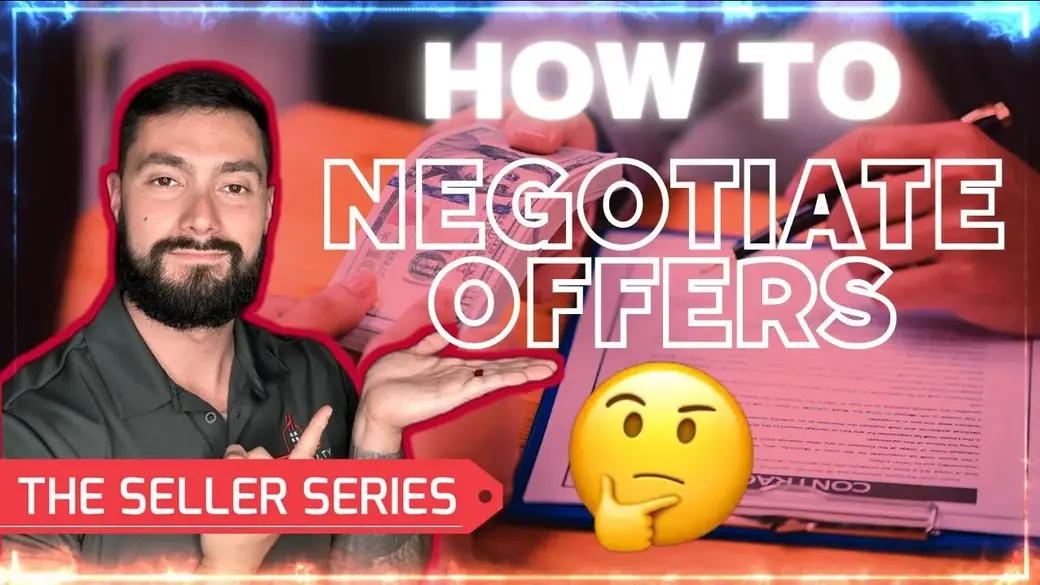
Mastering the Art of Negotiating a Winning Offer for Your Home
TL;DR — Receiving an offer is just the start, so approach negotiations strategically rather than emotionally by evaluating not only price but contingencies, closing timeline, and who pays closing costs. Use a well-timed counteroffer to bridge gaps and respond to the market conditions—whether it favors sellers, buyers, or is neutral—so you secure a strong, workable deal. Communicate clearly, ask thoughtful questions to uncover the buyer’s needs, and pay close attention to the purchase and sale agreement’s special stipulations to protect your interests. If there are multiple offers, compare not just price but financing type, timelines, and contingencies to choose the best overall deal, with your agent guiding you through the legal steps to a win‑win outcome.
Congratulations! You've reached the exciting stage of the home selling process where you've received an offer (or multiple offers) on your property. This is a pivotal moment that requires careful navigation to ensure you secure the best possible deal. In this comprehensive guide, we'll dive deep into the art of negotiating an offer and creating a win-win resolution for both you and the buyer.
Understanding the Initial Offer
The first thing to keep in mind is that the initial offer from a buyer is rarely the final one. Buyers often understand that their first offer may be just the starting point for negotiations. As the seller, it's important to approach this process with a strategic mindset, rather than letting emotions take over.
When reviewing the offer, it's crucial to look beyond just the purchase price. There are several key factors to consider, such as:
-
Buyer Contingencies: What conditions or requirements does the buyer have that could impact the transaction?
-
Closing Timeline: When does the buyer want to close the deal? Is it a traditional 30-day timeline, or are they requesting a longer or shorter period?
-
Closing Costs: How much is the buyer asking you to contribute towards closing costs?
By understanding the full scope of the offer, you can better assess whether it aligns with your goals and expectations. This will set the stage for effective negotiations to follow.
The Role of the Counter Offer
The counter offer is the crucial bridge between what the buyer is asking for and what you, as the seller, are willing to accept. This is where the real negotiation takes place, and it's essential to find the middle ground that creates a win-win situation for both parties.
When crafting your counter offer, it's important to consider the current market conditions. Is it a seller's market, a buyer's market, or a neutral market? Staying up-to-date on the latest market statistics will help you make informed decisions and ensure you're negotiating from a position of strength.
Remember, the goal is not to "annihilate" the buyer, but rather to find a mutually beneficial agreement. By making the buyer feel like they're also winning, you can create a smoother transaction and avoid potential conflicts down the line.
Effective Communication and Negotiation Tactics
Clear and respectful communication is the foundation of successful negotiations. It's crucial to put your listening ears on and ask thoughtful questions to fully understand the buyer's needs and wants.
One of the most effective negotiation tactics is to ask great questions. By delving deeper into the details of the offer, you can uncover valuable insights that may not be immediately apparent. For example, if the buyer has offered $385,000 on a $400,000 home, there may be a reason behind the lower price, such as the need for repairs or renovations. By asking the right questions, you can find the middle ground and negotiate a deal that works for both parties.
Legal Considerations and the Purchase and Sale Agreement
When it comes to real estate transactions, the purchase and sale agreement is a legally binding contract. It's crucial to understand the terms and conditions thoroughly before signing on the dotted line.
One particularly important section to pay close attention to is the "special stipulations" box, which may outline additional buyer contingencies or requirements. If there's anything in this section that raises concerns, it's essential to take a step back, review the details, and ensure that all your interests are protected.
Navigating the legal aspects of the transaction can be complex, but as your real estate agent, I'm here to guide you through every step of the process. I'm happy to walk you through the purchase and sale agreement, explain the various clauses, and ensure that you fully understand your rights and obligations.
Handling Multiple Offers
In a competitive market, it's not uncommon to receive multiple offers on your property. While this is an exciting situation, it's important to understand that not all offers are created equal. As your real estate agent, I'll help you navigate this process and identify the offer that best aligns with your goals.
For example, let's say you receive a full-price offer of $400,000 with a VA home loan, as well as a cash offer of $390,000 with a quick 10-day closing and no appraisal requirement. While the VA offer may seem higher, the cash offer could potentially be the better deal due to the faster closing timeline and the elimination of the appraisal contingency, which could potentially cause issues if the home appraises for less than the purchase price.
As your real estate agent, I'll carefully analyze each offer, considering factors such as financing type, closing timelines, and any additional contingencies or requirements. This will allow us to make an informed decision and secure the best possible outcome for you.
Negotiating for a Win-Win Outcome
Ultimately, the goal of the negotiation process is to achieve a win-win resolution for both you and the buyer. This means finding the delicate balance between your needs and the buyer's needs, creating a mutually beneficial agreement that leaves both parties satisfied.
Remember, the negotiation process is an art and a science. As your real estate agent, I'm here to guide you through every step, providing expert advice and ensuring that your interests are protected. By working together, we can navigate the negotiation process with confidence and secure the best possible deal for your home.
Conclusion
Negotiating an offer on your home is a critical step in the selling process, and it requires a strategic and thoughtful approach. By understanding the key factors to consider, leveraging effective communication and negotiation tactics, and navigating the legal aspects of the transaction, you can maximize the value of your home and create a win-win outcome for both you and the buyer.
If you're ready to take the next step in your home selling journey, I'm here to help to ensure your property receives the exposure it deserves and that you're equipped with the knowledge and tools to negotiate a successful deal.
Let's work together to make your home selling experience a smooth and rewarding one. [Connect with me on Facebook], [follow me on Instagram], or [download my contact details] to get started. I look forward to guiding you through the process and helping you achieve your real estate goals.
Frequently Asked Questions (FAQ)
What should I look at besides price when evaluating an offer?
Besides price, evaluate contingencies, the closing timeline, who covers closing costs, the financing type, and any appraisal or repair requirements. These factors affect risk, timing, and final value.
How do I handle the first offer?
Treat it as a starting point: review contingencies, closing date, and costs, and consider a counteroffer aligned with your goals. Ask clarifying questions to understand the buyer’s needs and constraints before deciding.
How should I evaluate multiple offers?
Compare each offer’s overall terms—financing, closing timeline, contingencies, and appraisal risk. The best deal isn’t always the highest price; a faster close or fewer hurdles can be more valuable in practice.
What is the special stipulations section in the agreement and why is it important?
The special stipulations box lists additional contingencies or requirements. Review carefully to ensure you’re protected and fully understand any added obligations; ask your agent to explain unfamiliar items.
What role does my real estate agent play in negotiations?
Your agent analyzes market conditions, helps craft and present counteroffers, communicates with the buyer’s agent, and guides you through the purchase and sale agreement to protect your interests and pursue a win‑win outcome.
Categories
Recent Posts

The Top 15 Questions Homebuyers Must Ask Before Buying

Pros and Cons of Living in Warner Robins | Must Watch Before Moving

6 Things You MUST Know Before Moving to Warner Robins, Georgia

Escape Renting Forever with Zillow's 1% Down Payment Program
How to Sell Your House Without a Realtor in 2023

The Final Countdown: Preparing for a Smooth Closing on Your Home Sale
The Importance of a Flawless Title Search: Ensuring a Smooth Real Estate Transaction
Navigating the Inspection Period: Turning the Roller Coaster Ride into a Smooth Journey
Mastering the Art of Showings: Strategies for Captivating Potential Buyers

Mastering the Art of Home Marketing: Proven Strategies to Sell Your Property Fast and for Top Dollar